Project Planning
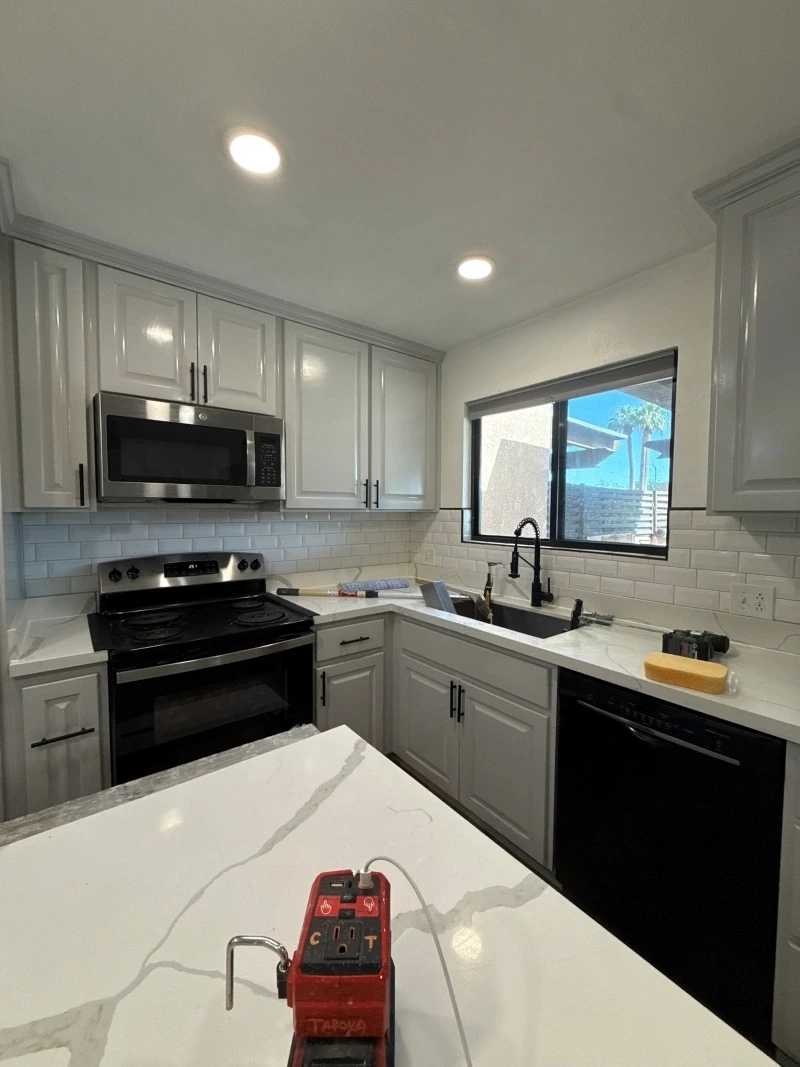
If your kitchen cabinets look dated but the layout still works, painting may be worth exploring before planning a full replacement. A different color can change the appearance of the room while keeping the existing cabinet arrangement.
The first question, though, is whether the cabinets are suitable for painting. When considering cabinet painting in Yuma, start with their condition, the material beneath the finish, and the parts of the kitchen you actually want to change.
Painting addresses appearance. It does not change an inconvenient layout, add storage, or repair damaged cabinet parts by itself. Checking those issues first helps you decide whether a painting estimate is the right next step.
Start With How Your Cabinets Function
Before looking at colors, open every door and drawer.
Check whether the cabinets work well enough to keep. A kitchen can look tired and still be functional. It can also look acceptable from a distance while having problems that need attention before cosmetic work makes sense.
During your inspection, note:
Doors that do not close properly.
Drawers that stick or operate unevenly.
Loose hinges or handles.
Damaged edges and corners.
Areas beneath sinks that show swelling or deterioration.
Shelves or cabinet boxes that appear damaged.
Storage or access problems you want to solve.
These observations do not automatically rule out painting. They give you a list to discuss during an assessment.
Separate the list into two groups: problems with appearance and problems with function. If most of your concerns involve color and the existing finish, painting may fit your goal. If the main concern is that the kitchen arrangement does not work, a color change will leave that problem in place.
Identify repairs before comparing prices
Ask which repairs must happen before painting and who will handle them. Do not assume a cabinet painting quote includes replacement hinges, drawer repairs, or damaged cabinet parts.
For example, if a door rubs against the frame, have the adjustment discussed before the finish work begins. The written scope should identify any included repairs and any work you need to arrange separately.
Have the Cabinet Material and Existing Finish Assessed
Cabinets that look similar can have different surfaces. The doors, frames, and side panels may not all be made from the same material.
If you have information from the original cabinet purchase or a previous remodeling project, share it with the painter. If you do not, let the assessment establish what can be identified and whether further testing is needed.
An existing finish also affects preparation. A clean-looking surface is not necessarily ready for paint, especially around handles, cooking areas, and frequently touched edges.
Benjamin Moore’s cabinet painting guidance begins with clean, dry cabinets and describes preparation before coating. That supports an important question for your estimate: What preparation does this particular set of cabinets need? Read its cabinet painting guide.
Ask the painter:
What materials and finishes are present?
Are any areas unsuitable for the proposed coating?
What cleaning and surface preparation are needed?
Is a primer required for the proposed system?
Would a test area help confirm the approach?
Avoid choosing a process solely because it worked on someone else’s kitchen. The proposal needs to match your cabinets.
Decide Exactly Which Surfaces Will Be Painted
“Paint the cabinets” can describe several different scopes of work.
One homeowner may want the visible exterior surfaces refreshed. Another may expect the cabinet interiors, shelves, and both sides of every door to be included. Those are different projects.
Before comparing estimates, identify the surfaces you want addressed:
Cabinet area | Detail to confirm |
|---|---|
Doors | Fronts, backs, and edges included? |
Drawer fronts | Visible faces and edges included? |
Cabinet frames | All exposed frame surfaces included? |
End panels | Visible sides of cabinets included? |
Cabinet interiors | Included or left as they are? |
Shelves | Fixed and removable shelves included? |
Decorative trim | Crown molding, toe kicks, and other pieces included? |
Also discuss hardware. Decide whether you want to keep the existing handles and knobs or change them. If new hardware requires different holes, identify that work before painting.
Ask how removable pieces will be labeled and how reassembly will be handled. Those details help define the work without assuming every contractor uses the same procedure.
Clarify the finish you expect
Bring photos to explain your preferences, but discuss what is achievable on the existing cabinets.
Ask about visible texture, damaged areas, and the expected appearance of the completed finish. A photo of a different cabinet style or material may be useful inspiration, but it is not a reliable promise of how your cabinets will look.
Get the agreed preparation, product, finish, and surfaces recorded in the proposal.
Choose a Color That Works With the Rest of the Kitchen
Once the cabinets are considered suitable for painting, narrow the color choices around what will remain in the room.
Start with the countertop, backsplash, flooring, and appliances. These surfaces sit close to the cabinets and should be part of the decision.
Try a small group of samples beside each fixed finish. View them during the day and under the lights you normally use in the evening. A color that works beside the countertop still needs to look right near the floor.
If you are also planning interior wall painting, select the wall and cabinet colors together. You do not have to make both surfaces match, but you should be comfortable with their relationship.
A simple planning sequence is:
Confirm which kitchen finishes are staying.
Narrow the cabinet color options.
Compare samples against those finishes.
Check the proposed wall color beside the cabinet sample.
Review the chosen color and sheen before approving the work.
For a two-color kitchen, such as a different island color, identify the exact cabinets receiving each color. This keeps the estimate and final selections clear.
Plan for Kitchen Access and Finish Care
Cabinet painting affects a room you may use throughout the day. Before scheduling, discuss how the work will affect cooking, storage, and access.
Ask what needs to be emptied and where belongings can be stored. Confirm whether any work takes place away from the property and which areas need to remain clear.
Useful scheduling questions include:
When will doors or drawers be removed?
Which parts of the kitchen will be accessible?
When can items be returned?
When can the cabinets be used normally?
What cleaning instructions apply to the finished surfaces?
Drying and curing are different stages. A coating may feel dry before it is ready for normal use or cleaning. Follow the instructions for the actual product used rather than relying on a general timeline. Benjamin Moore explains this distinction in its guidance on caring for freshly painted cabinets. Read its cabinet care guidance.
Ask for those instructions at completion, along with the product and color information. Keeping that record makes future maintenance conversations easier.
Cabinet Painting FAQs for Yuma Homeowners
Is cabinet painting better than replacing cabinets?
It depends on what you want to change. Painting may fit when the cabinets are suitable for coating and you are comfortable keeping the layout. Replacement deserves consideration when the main problems involve the cabinet arrangement, storage, or damaged components that are not practical to keep.
Can previously painted cabinets be painted again?
Possibly. The existing coating and cabinet condition need assessment first. Share any available information about the previous paint job, including products used and areas where the finish has failed.
Does cabinet painting include the inside of the cabinets?
Only if the estimate includes it. Ask for cabinet interiors, shelves, door backs, and visible exterior surfaces to be identified separately so you know what you are approving.
How much does cabinet painting cost?
A useful quote depends on the number and type of pieces, their condition, preparation needs, and the surfaces included. Hardware changes and repair work can also affect the scope. Comparing proposals for the same work is more helpful than comparing totals alone.
Should I choose new handles before the cabinets are painted?
If you plan to replace them, make that choice before the work is finalized. Share the new hardware specifications so any changes to hole locations can be discussed and included where needed.
Talk With Saguaro Painting About Your Cabinets
The right starting point is a cabinet assessment and a clear description of the change you want. Once condition, preparation, and scope are understood, you can choose a color and plan the project with fewer unanswered questions.
Saguaro Painting offers cabinet painting in Yuma. To discuss updating your kitchen cabinets, contact Saguaro Painting about your project.